


What Should You Know About Wearable Heart Monitoring Devices Before Using One?

Heart rhythm disorders are not always easy to diagnose. Many people experience symptoms such as palpitations, dizziness, skipped heartbeats, or occasional fainting episodes that occur unexpectedly and disappear within minutes. Since these symptoms may not be present during a routine doctor's appointment, a standard electrocardiogram (ECG) may not capture the underlying problem. This is where advances in cardiac monitoring technology have significantly improved the ability to detect irregular heart rhythms and support earlier diagnosis.
Today, wearable heart monitoring devices have become an important part of modern cardiology. These portable monitoring systems continuously record heart activity while patients carry on with their daily routines, allowing doctors to observe the heart in real-life conditions rather than during a brief clinical examination. The information collected helps identify intermittent rhythm disturbances, evaluate symptoms, and develop personalized treatment plans based on accurate clinical data.
Why Are Wearable Monitoring Devices Becoming More Important?
Heart rhythm abnormalities can occur without warning and often last only a few seconds or minutes. In many cases, patients may feel completely normal during their hospital visit, making diagnosis difficult using conventional testing alone.
Long-term monitoring offers several important advantages:
Detects irregular heart rhythms that occur occasionally
Records heart activity during normal daily life
Helps identify silent cardiac abnormalities
Assists in evaluating ongoing treatment
Supports earlier medical intervention
Improves diagnostic accuracy
By collecting continuous information, physicians gain a much clearer understanding of how the heart functions over time.
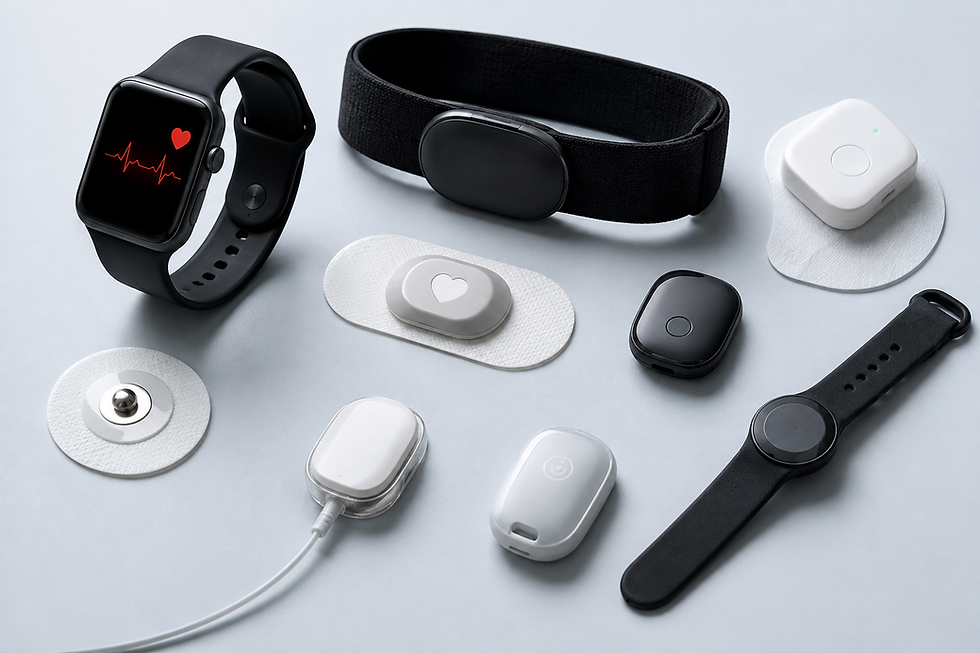
How Do Wearable Heart Monitoring Devices Work?
Wearable heart monitoring devices use small sensors to record the electrical activity of the heart continuously over an extended period. Depending on the patient's symptoms and medical condition, monitoring may continue for several days or even weeks.
Unlike a conventional ECG performed in a clinic, these devices allow patients to remain active while the heart is being monitored. This increases the likelihood of capturing irregular heart rhythms that occur only during work, exercise, sleep, or routine daily activities.
Once monitoring is complete, the recorded information is analyzed by a cardiologist to determine whether abnormal heart rhythms are present.
What Conditions Can Wearable Monitoring Help Detect?
Continuous heart monitoring provides valuable information for diagnosing several cardiovascular conditions, including:
Atrial fibrillation
Bradycardia
Tachycardia
Premature atrial contractions
Premature ventricular contractions
Unexplained palpitations
Syncope (fainting)
Dizziness related to heart rhythm abnormalities
The detailed recordings help physicians understand both the frequency and severity of these rhythm disturbances.
Who May Benefit from Wearable Cardiac Monitoring Devices?
Modern wearable cardiac monitoring devices are recommended for individuals experiencing symptoms that cannot be explained through routine examinations alone.
Your cardiologist may recommend monitoring if you have:
Frequent or occasional palpitations
Irregular heartbeat
Episodes of dizziness
Blackouts or fainting
Shortness of breath associated with abnormal heart rhythm
Chest discomfort accompanied by palpitations
Follow-up after catheter ablation
Monitoring after certain cardiac procedures
The decision to use a monitoring device depends on each patient's symptoms, medical history, and overall cardiovascular risk.
Why Is Professional Interpretation Essential?
Although wearable technology records large amounts of heart rhythm data, understanding that information requires specialist expertise. Many rhythm changes are harmless, while others may require immediate medical attention.
A cardiologist carefully reviews:
Rhythm abnormalities
Duration of irregular episodes
Correlation between symptoms and ECG findings
Overall heart rate trends
Individual cardiovascular history
This detailed interpretation ensures that patients receive the most appropriate recommendations based on reliable clinical evidence rather than isolated readings.
Why Choose The Heart.ae?
The Heart.ae provides comprehensive cardiac evaluation using advanced diagnostic technology and evidence-based treatment approaches for patients with heart rhythm disorders and other cardiovascular conditions.
Under the guidance of Dr Moataz Al-Qadri ( دكتور معتز القادري ), patients receive individualized assessments designed to identify the cause of their symptoms and develop treatment strategies tailored to their specific needs. Whether evaluating intermittent palpitations or monitoring patients after cardiac procedures, the clinic focuses on delivering accurate diagnosis, compassionate care, and long-term cardiovascular management.
By integrating modern heart monitoring technology with specialist expertise, The Heart.ae helps patients make informed decisions about their heart health.
How Can You Make the Most of Heart Monitoring?
Patients can improve the effectiveness of wearable monitoring by following their doctor's instructions throughout the monitoring period.
Helpful recommendations include:
Wear the device as instructed
Continue normal daily activities unless advised otherwise
Record symptoms when they occur
Take medications exactly as prescribed
Avoid removing the device unnecessarily
Attend scheduled follow-up appointments
Providing accurate symptom information alongside the recorded heart rhythm allows physicians to make more informed diagnostic decisions.
What Lifestyle Habits Support Better Heart Health?
Technology is only one part of maintaining a healthy heart. Everyday lifestyle choices remain essential for reducing cardiovascular risk.
Healthy habits include:
Staying physically active
Following a balanced, heart-friendly diet
Maintaining healthy blood pressure
Managing cholesterol levels
Controlling diabetes
Avoiding tobacco products
Managing stress effectively
Scheduling routine cardiac check-ups when recommended
These preventive measures work together with medical care to promote long-term cardiovascular wellness.
Conclusion
Early detection is one of the most effective ways to manage heart rhythm disorders and prevent potential complications. By continuously recording heart activity during normal daily life, wearable heart monitoring devices provide valuable information that helps physicians diagnose conditions that might otherwise remain undetected.
Supported by advanced diagnostic technology and the expertise of Dr Moataz Al-Qadri, The Heart.ae offers comprehensive cardiac evaluations focused on accurate diagnosis, personalized treatment, and long-term heart health. For patients experiencing unexplained palpitations, dizziness, or irregular heartbeats, wearable monitoring can be an important step toward understanding their condition and receiving timely, appropriate care.

Comments